
Local context
Rural Appalachian wealth — farm succession, coal heritage, multi-generational planning

Southwest Virginia, VA
Retirement planning for Southwest Virginia families — including farm succession timing, VA→TN relocation tax savings, and Social Security strategies for self-employed farmers and small business owners.
Connected planning
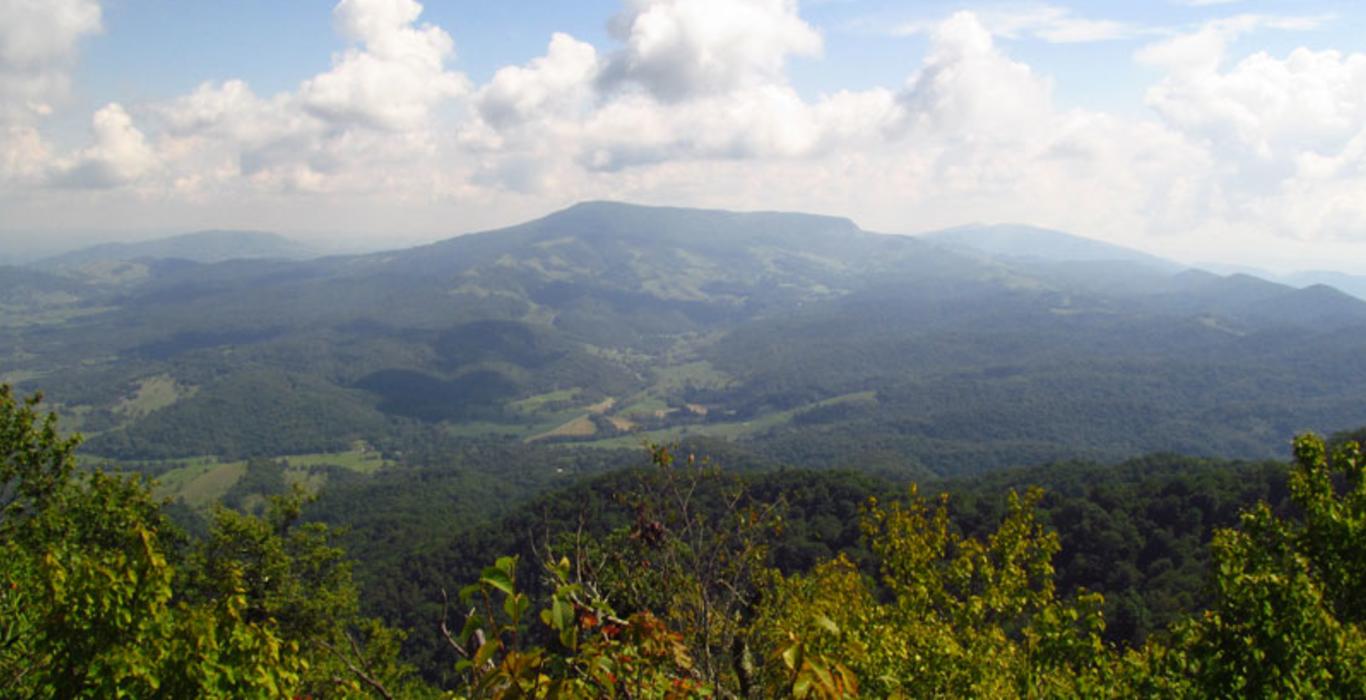
Southwest Virginia is its own world — and David Talley knows it firsthand. His grandparents were coal miners in Grundy. He grew up in Bristol, played high school sports across the region, and his family roots run deep through the mountains from Lee County to Wytheville. He understands that financial planning in Southwest Virginia isn't just about retirement accounts — it's about transferring a farm to the next generation, navigating Virginia's income tax, and sometimes weighing whether to move retirement income to Tennessee where there's no state tax. People here don't need a slick advisor from a big city. They need someone who gets it — someone who grew up driving these same roads.
Local proof
Talley Wealth has earned 67+ public Google reviews with a 5.0 average rating. Reviews are one proof point, not a promise of future results, but they do show that local families are willing to put their names behind the experience.
Read public reviewsRural Appalachian wealth — farm succession, coal heritage, multi-generational planning
Agriculture and farming operations, Wythe County Community Hospital, Small manufacturing, I-81 corridor businesses, Hungry Mother State Park
Retirement planning that gives you clarity on when you can retire, how much you can spend, and how to make your money last.
What we coordinate
Representative situation
A third-generation cattle farmer in Wythe County, age 60, wants to retire in the next 3–5 years. He needs to transfer 200 acres and the livestock operation to his son without triggering estate taxes or losing the agricultural property tax exemption — while also building enough personal retirement income to live comfortably.
We might start by separating the farm's value from the family's personal retirement assets — determining how much the parents can live on without farm income. Then we'd work with the family's attorney to evaluate transfer strategies — family limited partnership, installment sale, or lifetime gifting — and model the estate tax implications under current exemption levels. Finally, we'd build a retirement income projection that includes Social Security, any off-farm savings, and the potential for a lease-back arrangement with the son.
This representative situation is hypothetical and for educational purposes only. It is not based on, and should not be understood as referencing, any specific client or client experience.
Common questions
This is one of the most important — and most complex — questions we help SWVA families answer. It requires modeling your retirement income from non-farm assets, determining whether the farm income needs to support your retirement, and building a transfer plan that doesn't trigger a massive tax bill or disrupt the operation.
Virginia taxes retirement income — including pensions, IRA withdrawals, and 401(k) distributions. Tennessee does not. For SWVA families near the TN border, relocating in retirement could save thousands per year. We model both scenarios with your actual numbers so you can decide based on data.
Self-employed farmers pay self-employment tax on net farm income, which builds Social Security credits. But farm income can vary dramatically year to year, which affects your benefit calculation. We help farming families understand their projected Social Security benefit and coordinate it with other retirement income sources.
We build detailed retirement projections for healthcare workers in SWVA, factoring in your 403(b) or 401(k), any pension benefits, Social Security, and the cost of bridging healthcare coverage before Medicare. The goal is a clear, data-backed retirement date — not a guess.
The Explore Call is a short way to see whether this work fits your situation in Southwest Virginia.